From Nervous to Confident: Digital Skills Project Transforms Lives for Disabled People, Carers and Older Adults
/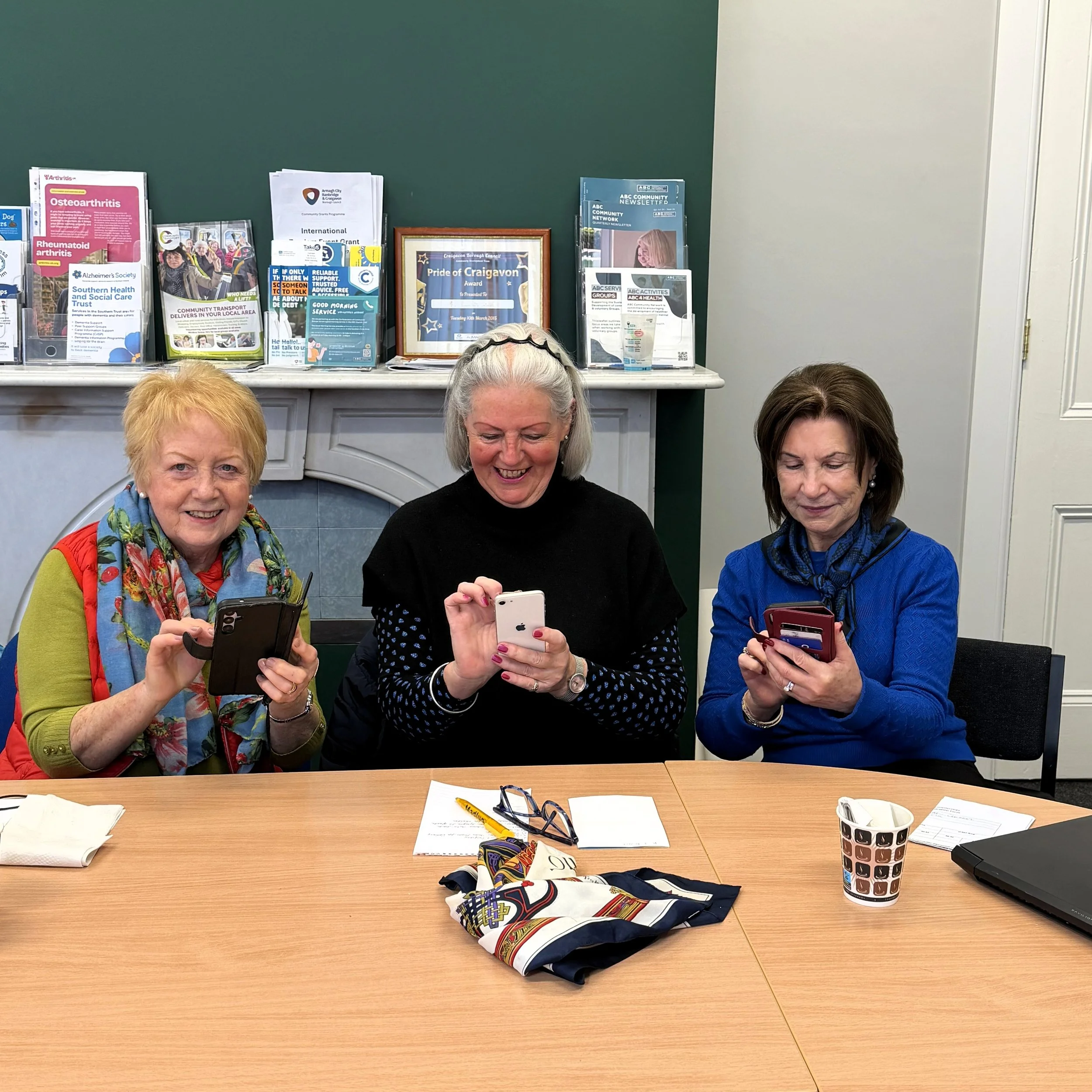
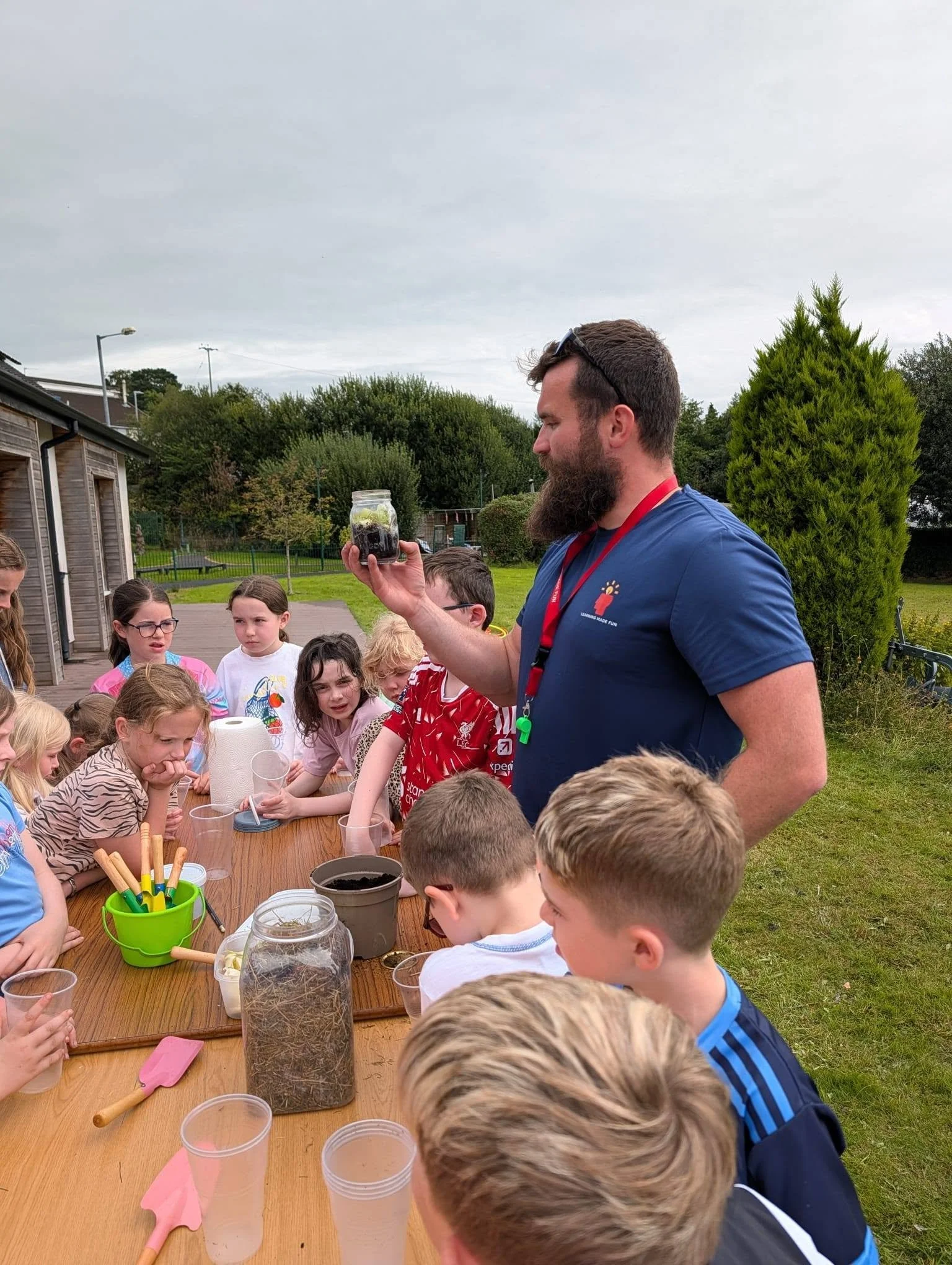
Project Participants enjoying a session
A new digital inclusion programme has helped 233 disabled people, unpaid carers, and older adults across Northern Ireland take control of their digital lives, with results that go far beyond learning how to use a smartphone.
Supporting Communities' Delivery of Basic Digital Skills Training for Disabled People, Their Carers and Older Adults, funded by the Department of Finance Digital Inclusion Unit, ran over three months and delivered 66 in-person training sessions across all 11 council areas in Northern Ireland.
Three Sessions, Big Differences
Unlike a one-off workshop, this programme used a carefully designed three-session learning pathway, giving participants the time and space to build skills gradually, practice between sessions, and come back with questions. For people who had spent years relying on grandchildren or carers to do basic tasks for them, that structured progression made all the difference.
The results were extraordinary. A remarkable 96% of participants reported improved digital skills. But the numbers only tell part of the story.
"I have always relied on my grandchildren to help me with my phone," said Ann from Murphy's on Main Street in Ederney. "I now feel that I can do some things for myself. I have been able to email, price my car insurance and look at the possibility of banking online."
For one group at Ashton Community Centre in Belfast, the sessions unlocked something even more valuable than individual skills — a sense of community. "They explored and downloaded apps onto their phones, such as WhatsApp," explained facilitator Fionnuala. "Now, we have a group chat, allowing the members to stay in better contact with each other." For a group where many participants have mobility issues, that digital connection is genuinely life-changing.
Reaching the People Who Need It Most
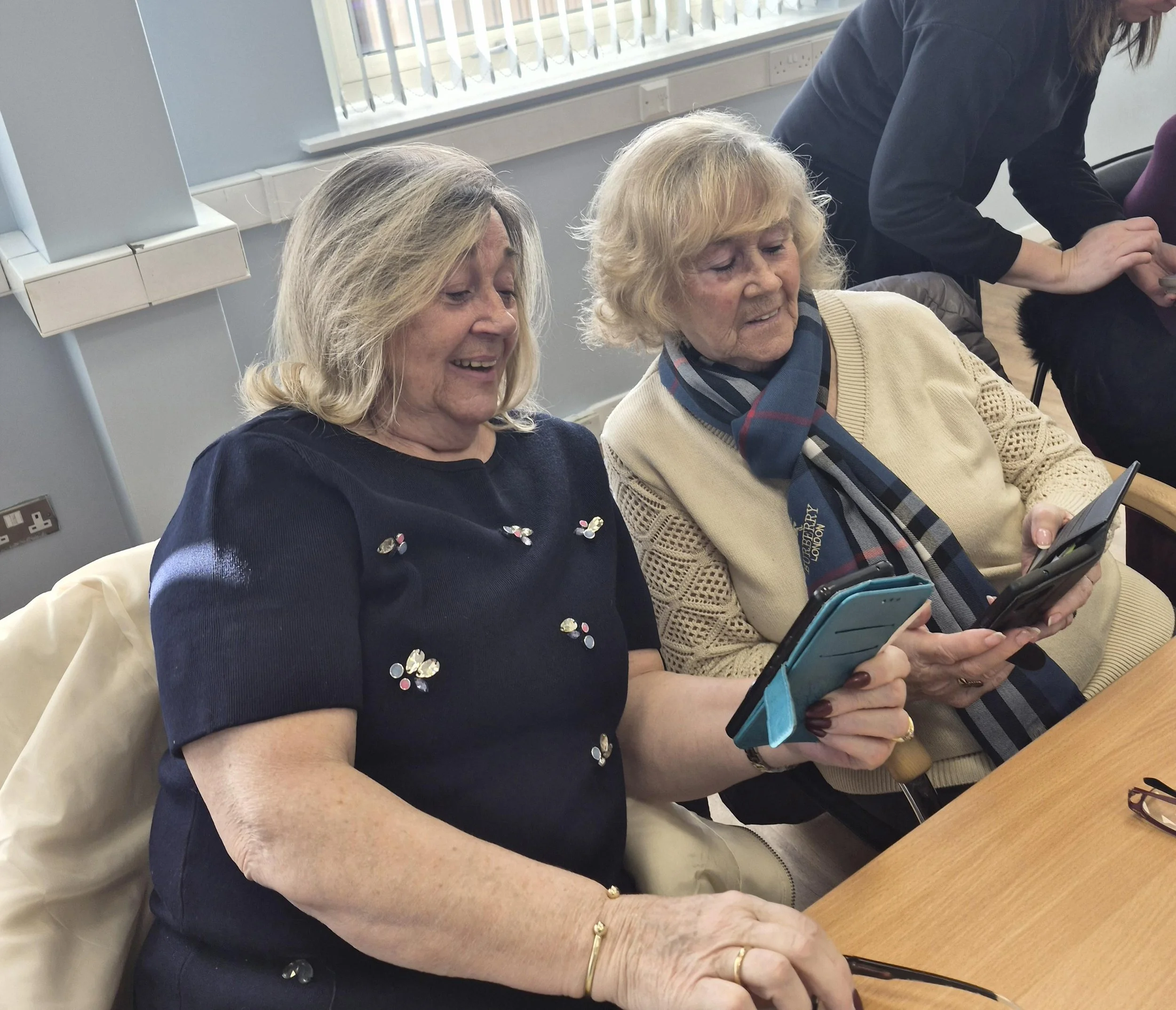
Learners at the Ashton Community Centre in Belfast
The programme was designed from the outset to reach those facing the greatest barriers. Two-thirds of all participants, 67%, identified as having a registered disability, while 77% were aged 56 or over, including a third aged 70 and above. Unpaid carers, who often struggle to access mainstream training due to their responsibilities, were also strongly represented.
Sessions covered everything from device basics and internet safety to email, NI Direct, online banking, and everyday communication tools. Scam awareness was a particular highlight for many groups, giving participants the confidence to navigate online spaces safely rather than avoid them altogether.
"Paddy provided some useful information about apps, keeping safe online and accessing free tools such as music and libraries," said Grainne from the Destined Group in Derry. "The sessions lasted one hour, which was adequate when providing information to adults with learning disabilities. We would welcome any future sessions."
Exceptional Value for Public Money
The investment made by the Department of Finance has delivered a significant return. A Social Return on Investment analysis found the programme generated £5.26 in social value for every £1 spent. The biggest drivers of that value were enabling participants to get online for the very first time and building genuine confidence in accessing services independently.
Supporting Communities' Digital Inclusion Officer, Stef, said the programme was everything the team had hoped it would be. "This project is a perfect example of what we mean when we talk about short-term intervention creating long-term results," she said. "It was just three sessions over three months, but the confidence people have built, the connections they've made, and the independence they've gained will stay with them. That's the real return on this investment."
A Programme Worth Scaling
The evidence from this project makes a compelling case for continued and expanded investment in structured, accessible digital learning for disabled people, carers, and older adults across Northern Ireland. The combination of a flexible community-based delivery model, a patient and progressive learning approach, and a focus on the groups most at risk of exclusion has produced outcomes that any programme would be proud of.
Interested in our Digital Inclusion services? Learn more here!