Social Value Impact
Measuring What Matters: The Difference Supporting Communities Makes
Community development creates real, lasting change - but how do you measure it? At Supporting Communities, we're committed to demonstrating the social value our work generates across Northern Ireland.
Proven Impact: 11:1 Social Return on Investment
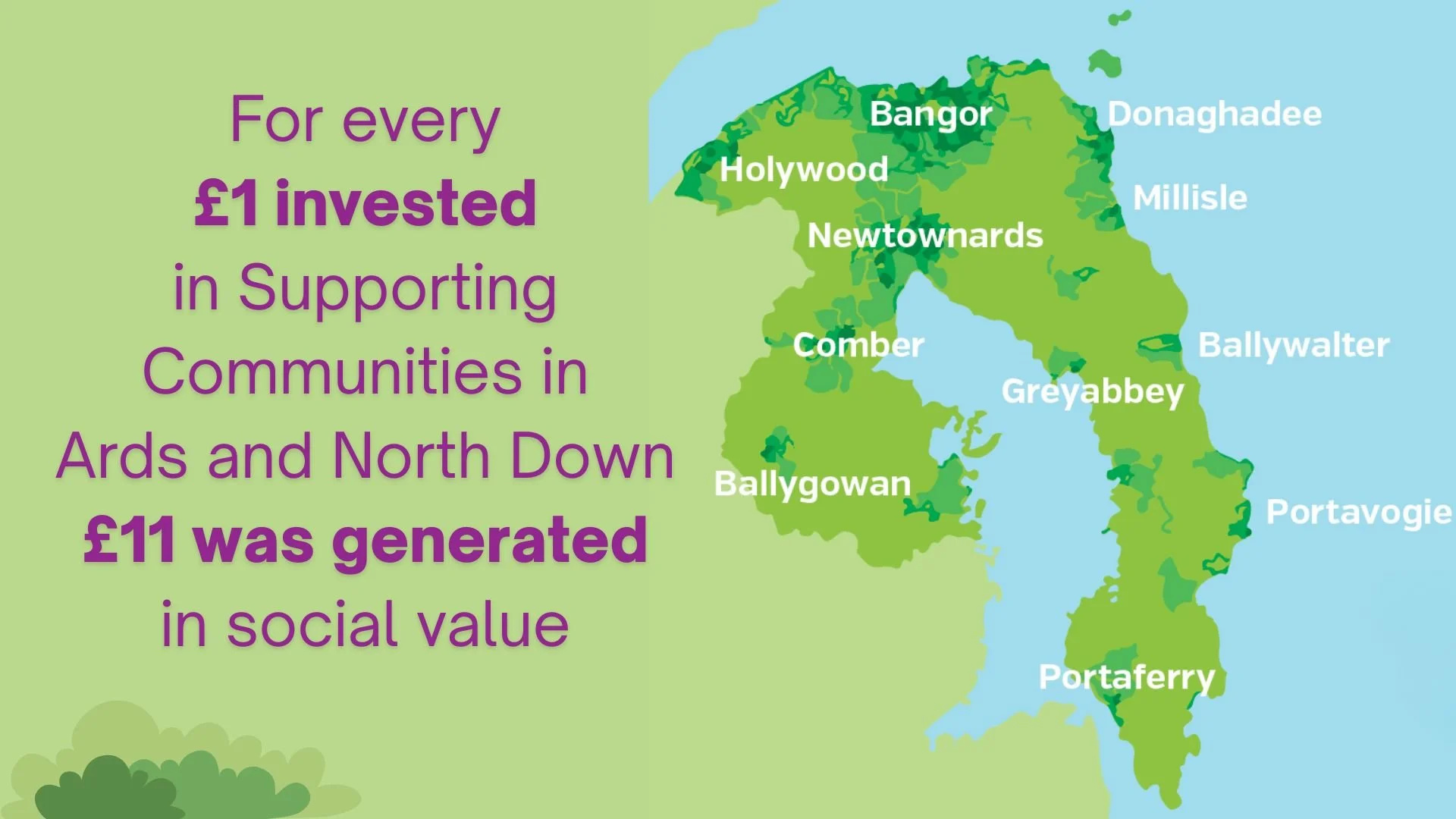
Independent research into our work in Ards and North Down has verified what communities already know - that investing in community infrastructure delivers extraordinary returns.
A comprehensive Social Return on Investment (SROI) study found that for every £1 invested in Supporting Communities, £11 in social value is generated across communities, housing, wellbeing, and civic participation.
This 11:1 ratio demonstrates how our systems-enabler approach creates ripple effects far beyond our direct activities, unlocking potential, coordinating action, and building the infrastructure that enables communities to thrive.
Download the SROI graphic summary | Read the full report
How We Create Social Value
We're systems enablers, not just service providers
The difference between delivering services and enabling systems is profound. Supporting Communities acts as community infrastructure - the often-invisible catalyst that makes everything else work better.
We convene - bringing together communities, statutory partners, housing providers, councils, and voluntary organisations who might otherwise work in isolation.
We coordinate - ensuring that efforts align, resources combine, and partnerships are effective.
We build capacity - developing skills, knowledge, and confidence so communities can become self-sufficient and lead their own development.
A modest core investment in this approach unlocks benefits across entire systems - from reduced anti-social behaviour to improved tenant satisfaction, from enhanced wellbeing to stronger community cohesion.
The Evidence of our Impact
What communities achieve with our support
The independent SROI study in Ards and North Down, conducted by Business Improvement Solutions, interviewed community groups, statutory partners, housing associations, and local councils to understand the real-world impact of our work. The findings were remarkable:
100% of community groups reported increased knowledge and skills, particularly in governance, funding applications, and organisational development.
100% of groups felt we enhanced safety and security in their areas, contributing to reduced anti-social behaviour and improved community pride.
Enhanced engagement in housing matters, with communities actively participating in decision-making processes and co-designing solutions with landlords.
Stronger partnerships between communities and statutory services, with effective collaboration leading to tangible improvements in local areas.
Real people, real outcomes
Behind every statistic are people whose lives have improved:
Reduced isolation and loneliness - individuals connected to support networks, activities, and opportunities through community groups we've helped establish and sustain.
Improved well-being and confidence - people taking on leadership roles, developing new skills, and engaging positively in their communities.
Safer, more cohesive neighbourhoods - youth programmes reducing tensions, collaborative problem-solving addressing local issues, and communities taking pride in their areas.
Better housing outcomes - tenants having a genuine voice in decisions affecting their homes, faster resolution of issues, and improved satisfaction with their landlords.
Creating Value for Statutory and Voluntary Partners
The research revealed how our work generates value not just for communities, but for the organisations that serve them:
Community Outcomes
• Thriving, inclusive and sustainable communities across Ards and North Down
• Transformation of estates
• Greater sense of safety and security
• Enhanced social fabric through people making new friendships
• Increased sense of connection and belonging
• More stable and cohesive communities
• Improved inter-generational connections (old people/young people)
• Increased youth participation in the community
• More people are prepared to give back to their community through volunteering
• Greater parity in resources going to urban and rural areas
• Rural areas better served
Stakeholder Outcomes
• Community groups increased their knowledge, skills and confidence
• Groups communicated more effectively with people in their communities
• Enhanced collaboration between community groups and key interagency partners
• Groups had increased capacity to make a difference to people’s lives in their community
• Community groups became more influential and sustainable
• Residents had more opportunities for meaningful engagement in housing-related matters
• Residents experienced improved health and well-being
• Residents had increased confidence and self-esteem
• NIHE increased its connection with its estates
• NIHE more effectively met their strategic priorities in relation to tenant participation
• Increased tenancy sustainment and tenant satisfaction, coupled with reduced voids
• More efficient and effective problem solving
• Improved value for money in public funding
• More effective and trusted policing
• Improved communication and collaboration among stakeholders
Measuring Social Value: Our Approach
Rigorous, independent, transparent
We're committed to evidencing our impact through robust methodologies that capture the full breadth of social value we help create.
Our SROI study employed:
Mixed methods - combining quantitative and qualitative data from multiple stakeholder groups
Independent verification - conducted by external researchers with no stake in the outcomes
Comprehensive engagement - 66% response rate from community groups, plus interviews with statutory partners, housing associations, and councils
Conservative assumptions - sensitivity analysis ensuring our 11:1 ratio holds under various scenarios
Attribution and deadweight - accounting for what would have happened anyway and what others contributed
The result is evidence you can trust - demonstrating not just outputs (what we do) but outcomes (what changes) and impact (the lasting difference we make).
Download the SROI graphic summary | Read the full report
Supporting Communities Social Return on Investment for Community Development Work done in Mid & East Antrim
Earlier Results - Mid & East Antrim 2017/18 Report
Supporting Communities asked Rose Regeneration to use an online tool called the Social Value Engine to help us identify and measure the social value of the outcomes achieved by our work in Mid and East Antrim.
By working closely with Rose Regeneration, we began to build our capacity to conduct future analyses of the social value our organisation creates.
We initially examined one of our 13 geographical operational areas in detail. The analysis identifies a number of key impacts:
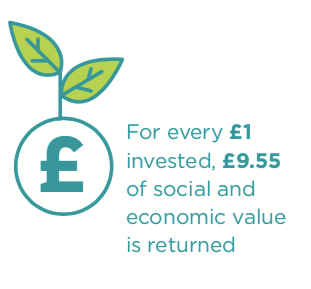
The level of Social Return on Investment achieved: £9.55:£1 is a good level of achievement and towards the upper end of the scale for achievement in the context of community development activity
The value of volunteer time contributed by our Community Development Officer and her colleagues is significant to the overall input that generates the identified outcomes.
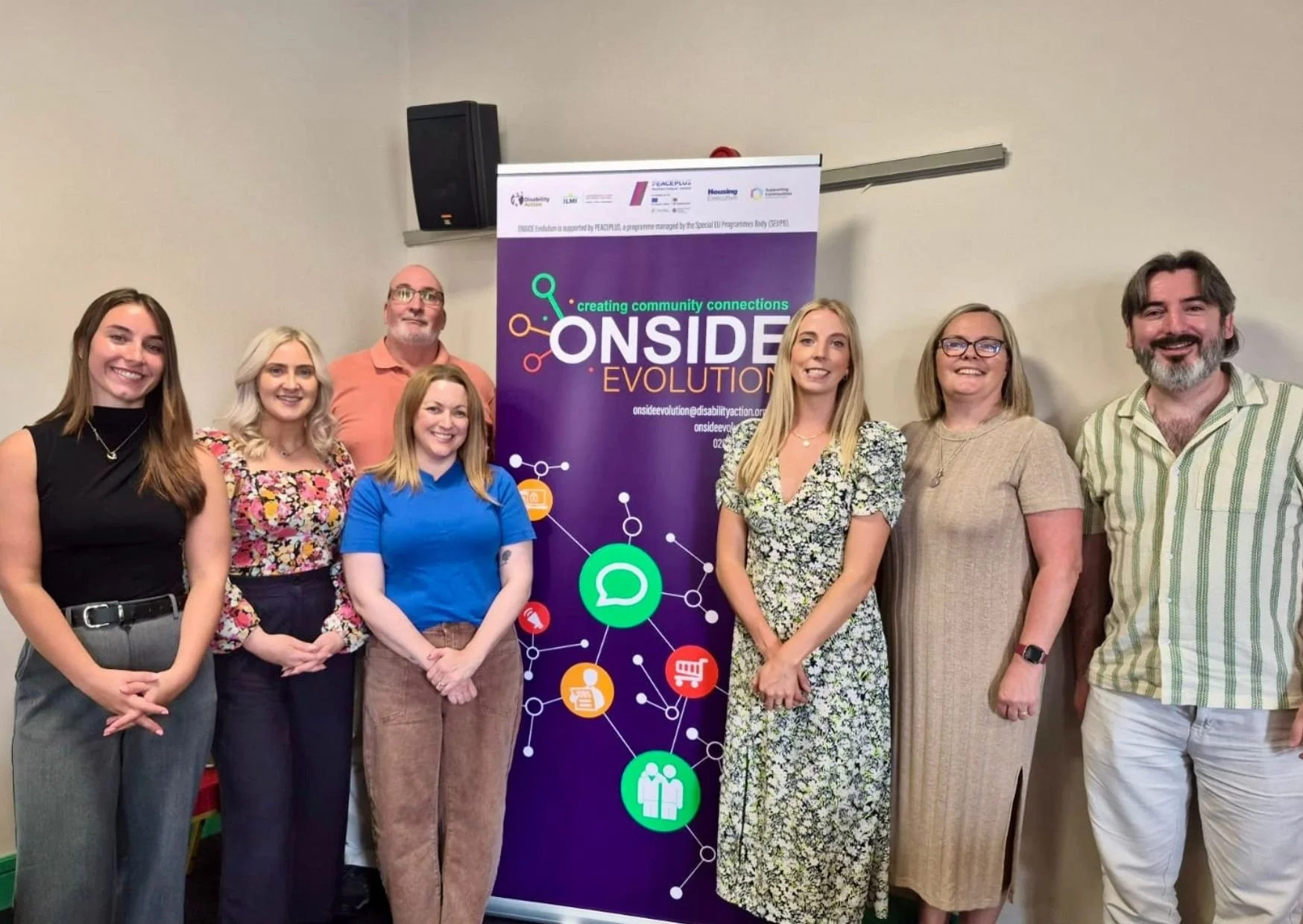
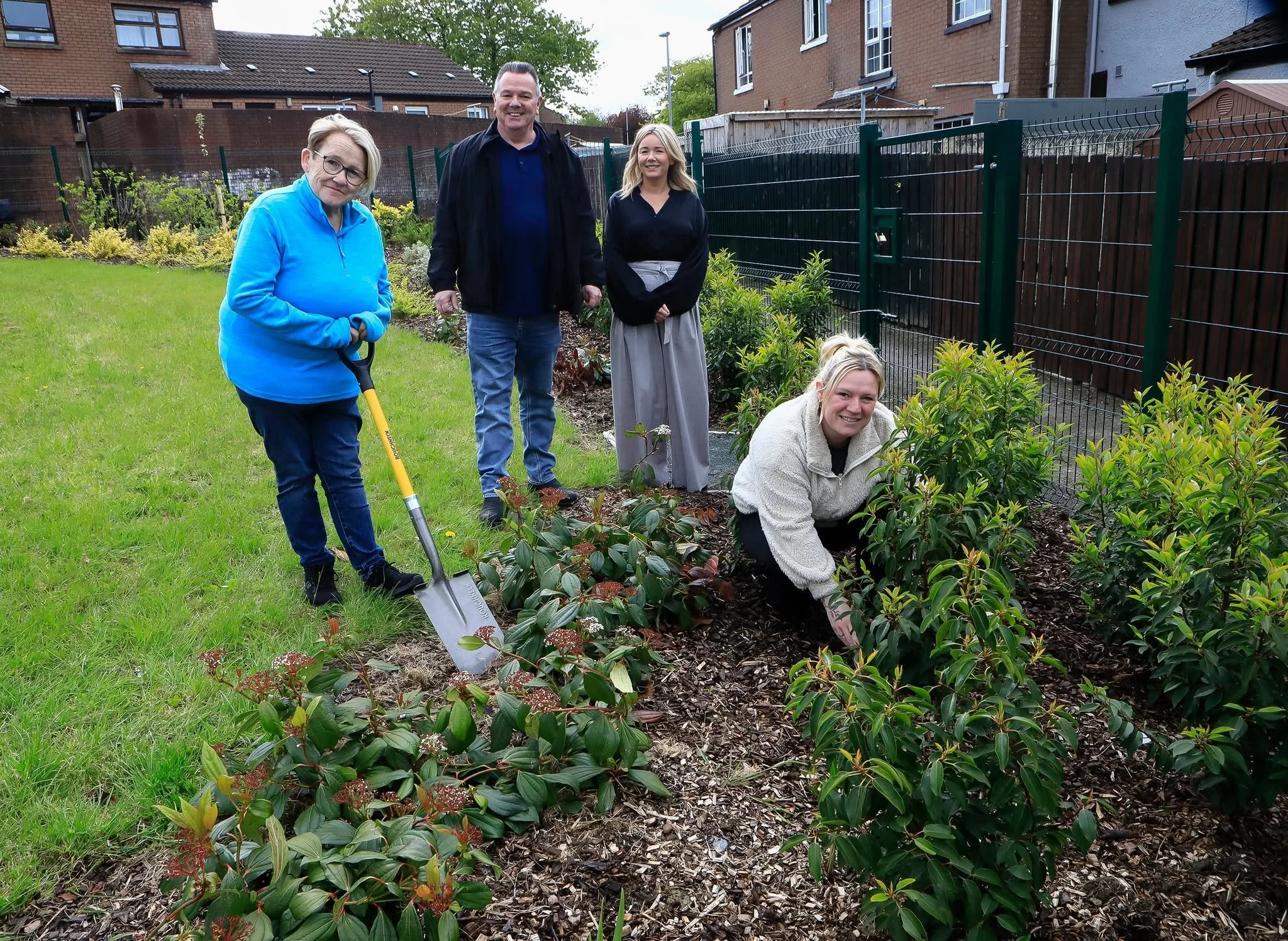



When Mullaghmore & Castleview Community Association (MACCA) in Omagh set out to plan this year's summer scheme, they took a chance on something different. Alongside the usual trips to the cinema and play areas, children aged 5 to 14 spent a full week immersed in a STEAM (Science, Technology, Engineering, Art and Mathematics) Future Farmers programme exploring the natural world on their own doorstep. The risk paid off in a big way!