Growing Green Minds: How MACCA's Summer Scheme Planted a Love of Nature in Omagh
/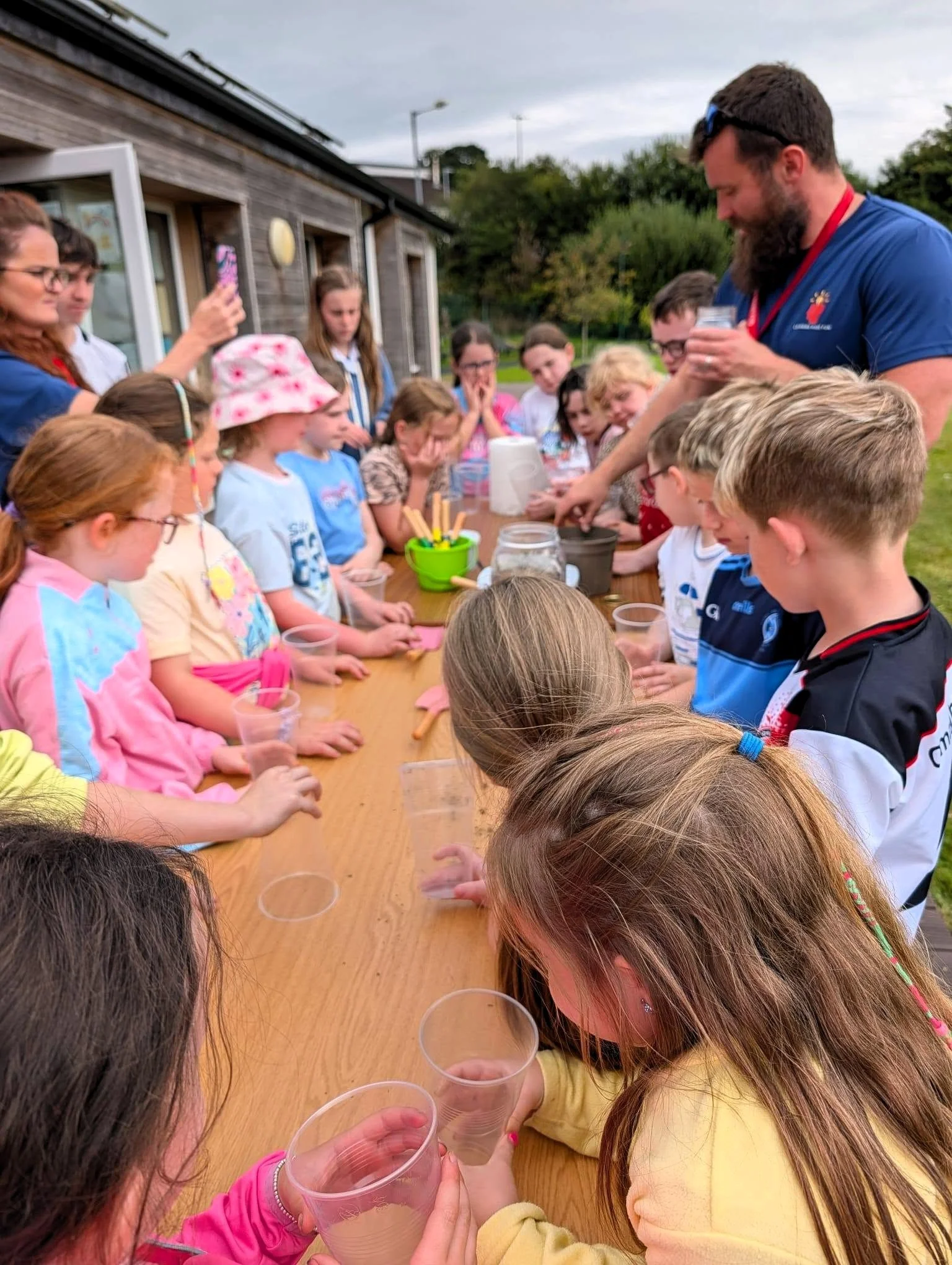
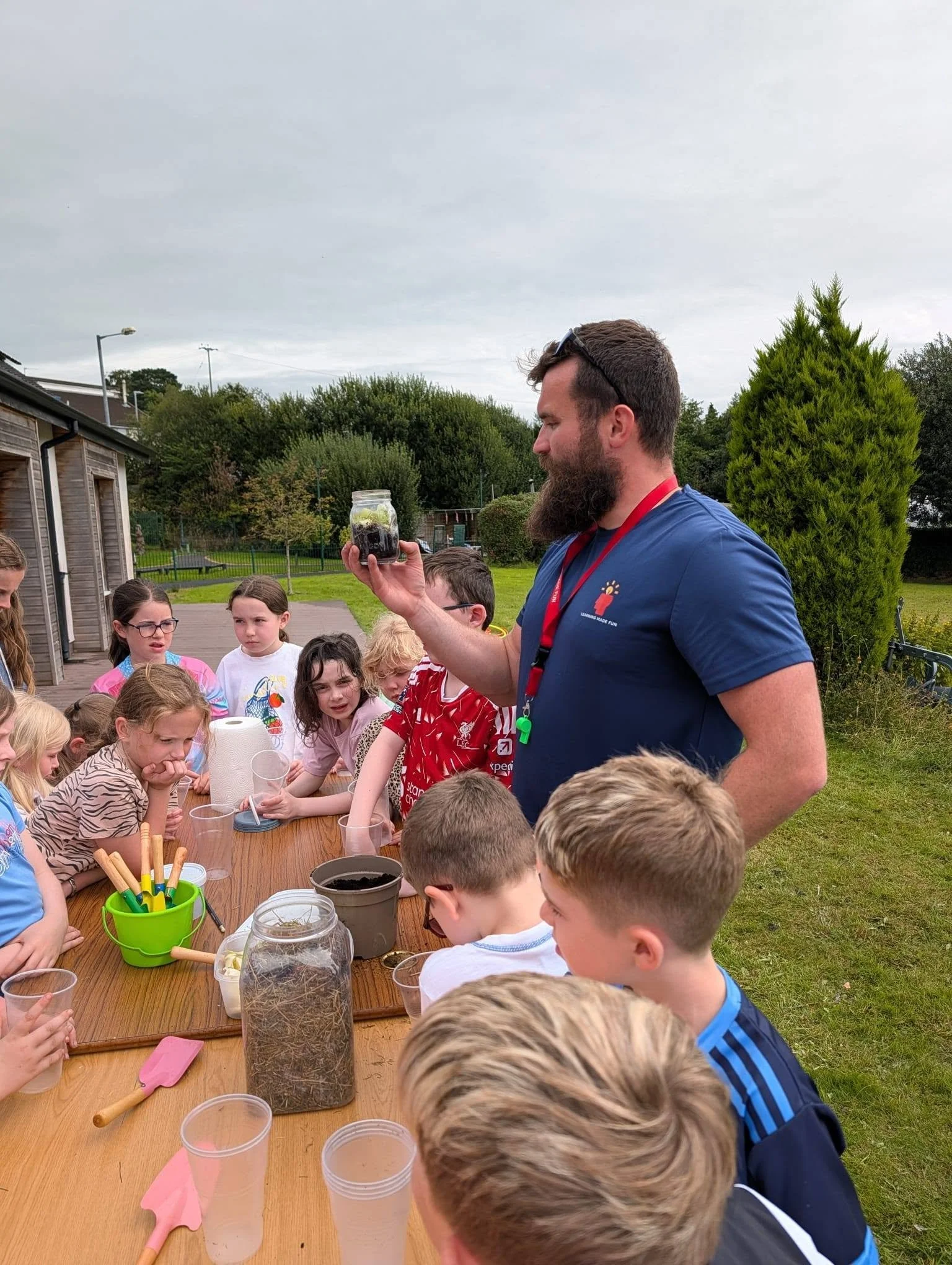
Connor and Majella Bradley with the Future Farmers
When Mullaghmore & Castleview Community Association (MACCA) in Omagh set out to plan this year's summer scheme, they took a chance on something different. Alongside the usual trips to the cinema and play areas, children aged 5 to 14 spent a full week immersed in a STEAM (Science, Technology, Engineering, Art and Mathematics) Future Farmers programme exploring the natural world on their own doorstep. The risk paid off in a big way!
Future Farmers
The programme was, in the words of MACCA's Peggy Colgan, "very, very well attended." Children learned how plants, insects and pollinators sustain the environment where nature and farming come together. They used microscopes to study tiny things up close and a drone to observe the world from above. They built a ‘Mini Beast Hotel’, learning which materials suit which creatures and why healthy soil depends on them. They planted flowers to attract bees and took home the things they made to remember the project. A local beekeeper visited in full protective gear, letting the children taste the honey and try the smoker. They definitely got the message that we need to protect and sustain the environment rather than wasting what we have.
MACCA’s setting really helped bring it all to life. The grounds include an Eco Centre built almost entirely from sustainable materials. It’s got hemp walls, a natural roof, solar panels for electricity, reclaimed wood, and rainwater harvesting. There’s also a garden with polytunnels used by local groups, including a men's shed and OMA Forum. Children got to taste the fruit and vegetables grown right there, with more than one convert made along the way! One girl who insisted she didn't like tomatoes went home to eat a freshly grown tomato sandwich every evening for the rest of the week.
It’s the Children’s Future
For Peggy, a lifelong environmentalist, the project reflects something she feels strongly about: today's children are inheriting problems they didn't create and equipping them early to understand and care for the natural world matters. She points back to a less wasteful era when nothing, from ashes to newspaper, went to waste as a reminder of how far attitudes have drifted, and how important it is to reset that mindset with the next generation.
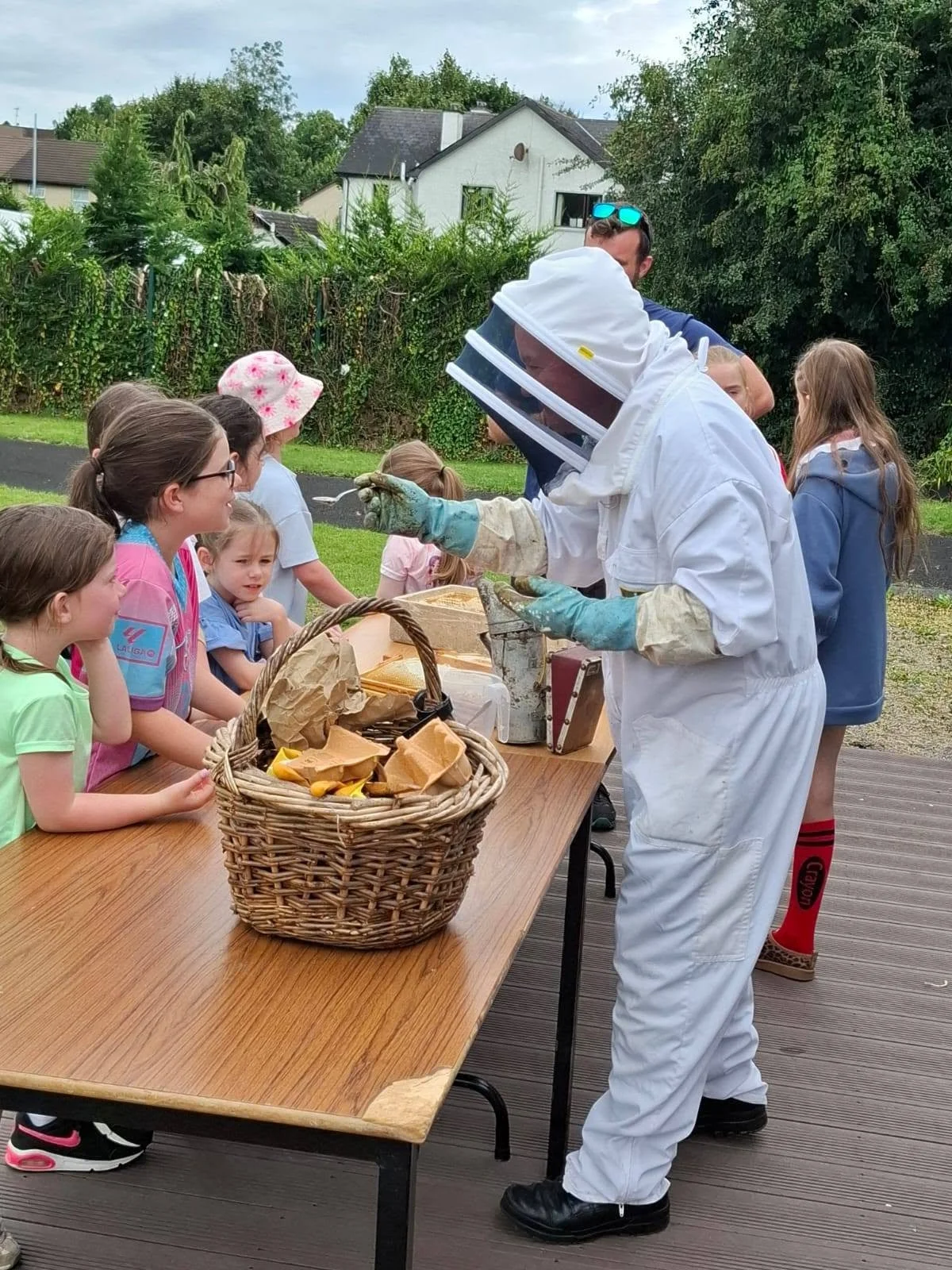
A taste of local honey
"Children are the base," she says, recalling advice from a talk she once attended, “You don't put out a fire from the top. You go to the root.” For Peggy, that root is our children.
It wasn't just environmental knowledge that took hold. The experience built friendships, confidence and independence. Children spent their time outdoors, off screens, and playing games and doing challenges together on the green. One five-year-old summed it up nicely: she said she’d give the week "100 out of 100," adding that she'd loved everything about it and made new friends.
Peggy is quick to praise the two teachers, a husband-and-wife team, who developed and delivered the programme. She describes them as extremely knowledgeable, well-prepared and warmly received by the children. She believes strongly that this kind of environmental education should be available to children right across Northern Ireland.
Learning Made Fun
Connor and Majella Bradley, the teaching team behind Learning Made Fun, say their ethos centres on giving children ‘learning with a purpose’. They help children understand they are gaining skills and knowledge to solve real-world problems.
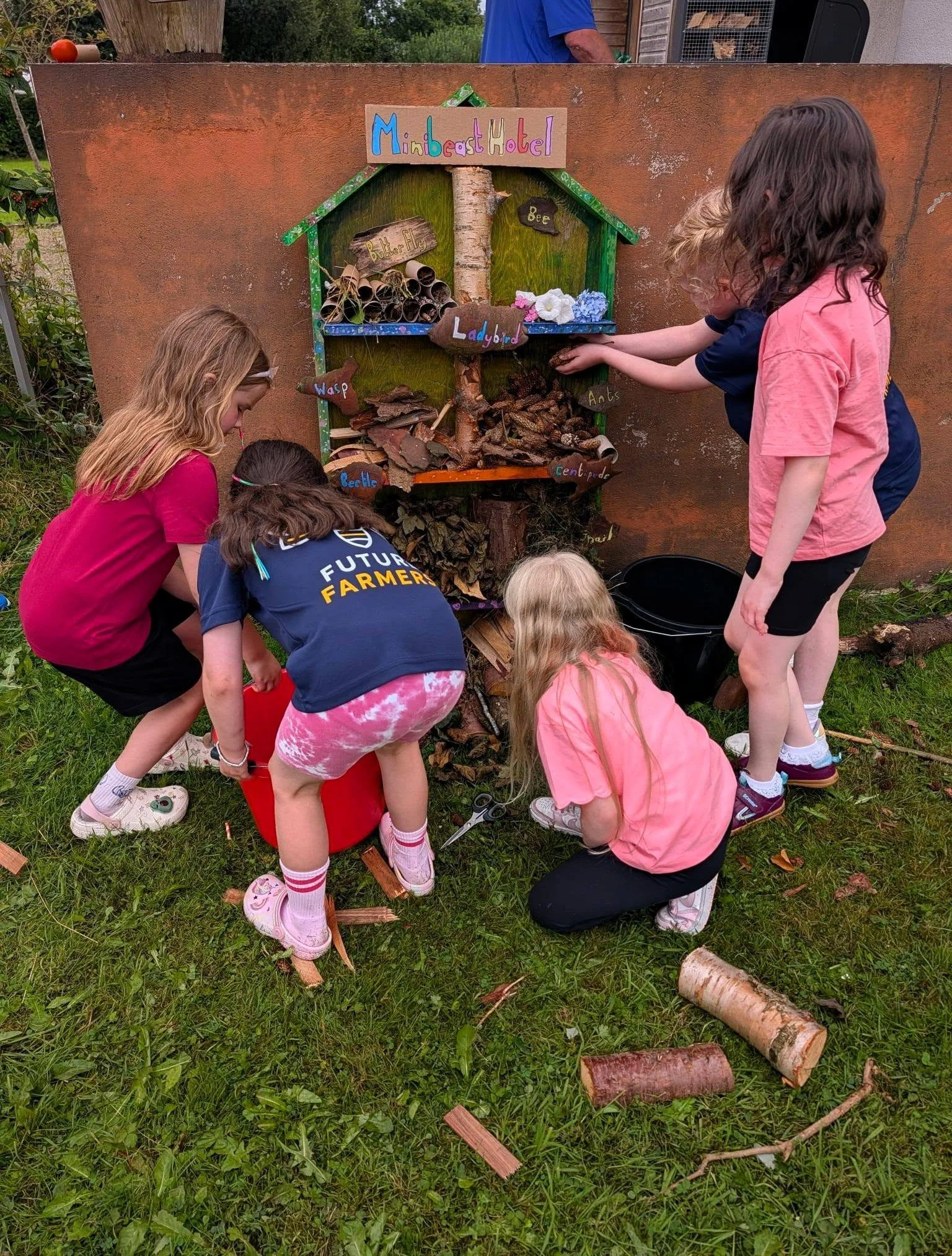
Check in time at the Mini Beast Hotel
That philosophy showed up in how quickly the children at MACCA took ownership of the project. Connor reflected, "The impact [of the project] was so clear. We saw the children quickly start to take on leadership roles; once you've given them a purpose, they start to become accountable. The engagement was unbelievable. Suddenly they're not learning something just for the sake of it; they made that connection that they are learning for a reason."
That sense of purpose was on full display at the closing exhibition, where children took charge of explaining their work to parents, carers and grandparents. The children proudly gave tours of their microscopes, mini beast hotels and wormeries, explaining in their own words why each creature and habitat matters for biodiversity. Every child also took home a fridge magnet they’d made featuring the creatures they'd learned about as a small daily reminder of the week.
The project also attracted older volunteers, including two teenage girls who returned to help every day, unpaid, simply because they wanted to be involved, and who are already asking to be included again next year.
Funding Against the Odds
Behind the scenes, this year's summer scheme faced real funding pressure. Peggy describes it plainly: funding was hard to come by, and MACCA was far from alone; organisations right across the sector came up empty-handed from usual funding routes this year, with the outlook for next year looking even tighter.
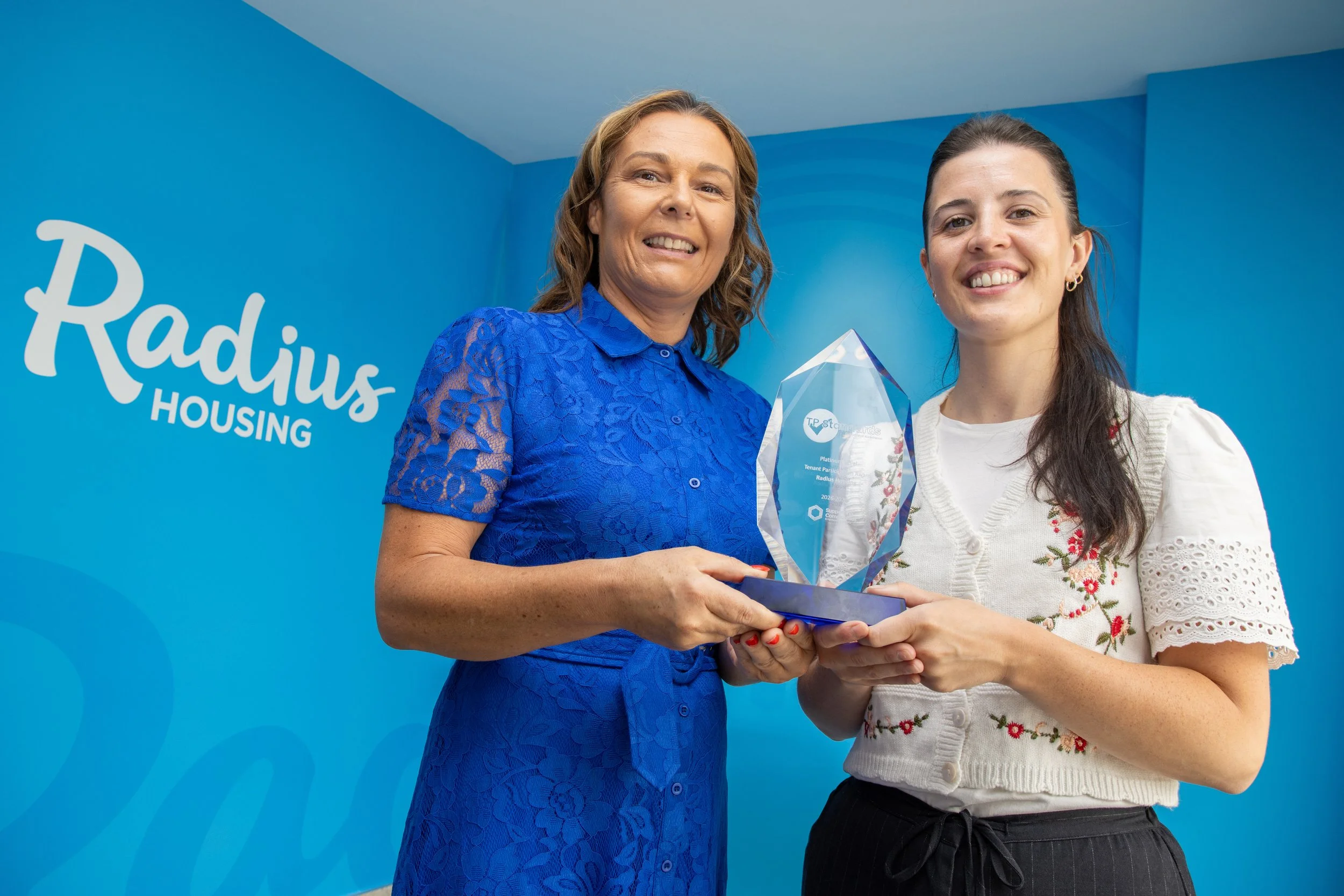
Radius Housing Association stepped in early, funding transport for a couple of trips. With the STEAM project still short of funding, Peggy approached the Housing Executive, which came through for the group and funded the project in full, covering everything from materials and t-shirts to the beekeeper's visit.
The project aligns closely with the Housing Executive’s Nature Positive campaign, and MACCA is deeply grateful for the support that made it possible. Given how difficult sourcing funding has become, Peggy is clear that this backing made all the difference; without it, the project wouldn't have happened.
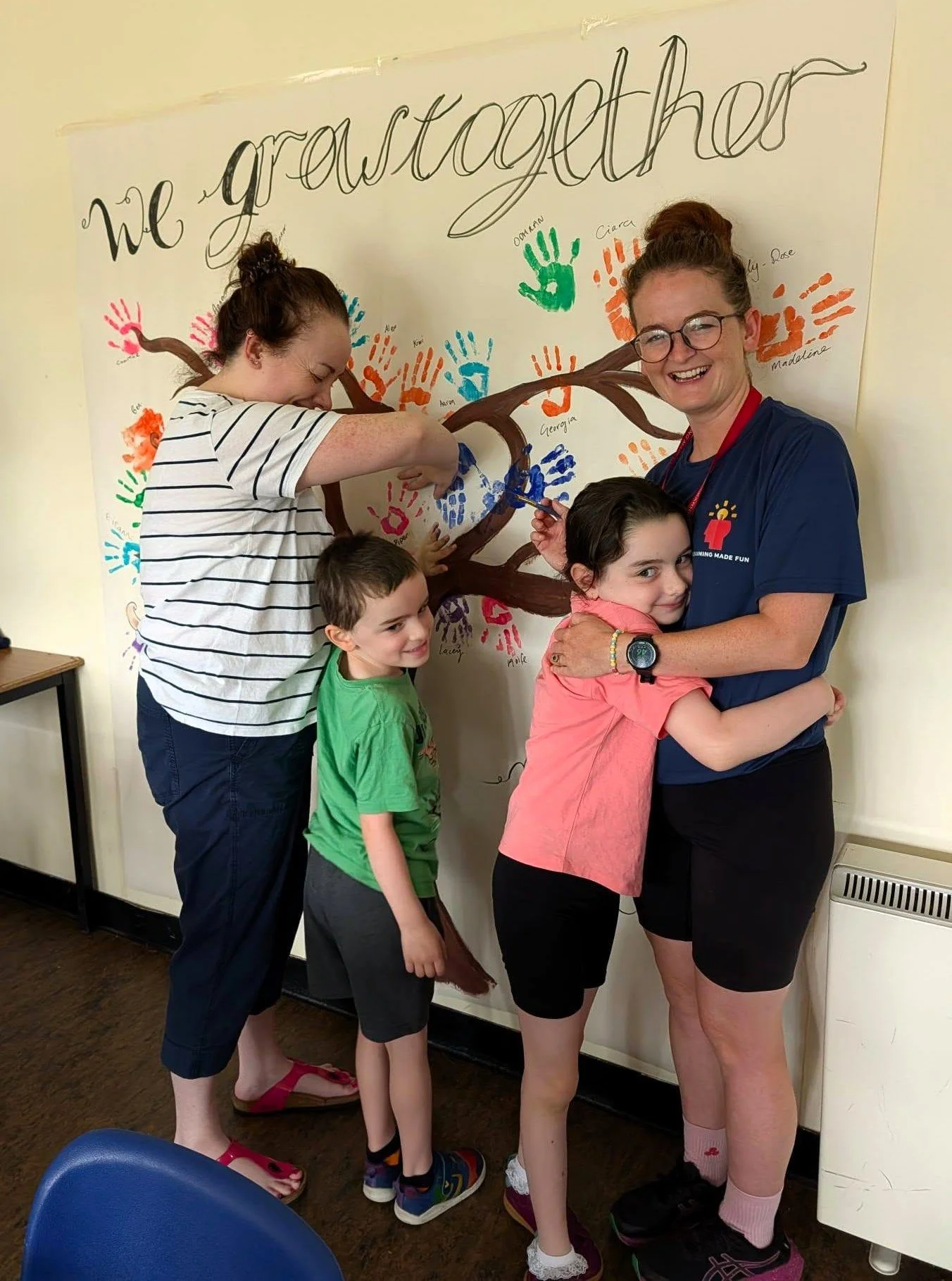
The Children scored it “100 out of 100”
Worth Every Penny
Looking back, Peggy has no doubt it was worth the gamble. Trying something entirely new, rather than the trips and activities children already expect from the summer scheme, was a risk. Still, it’s one that she'd recommended to other groups without hesitation.
This generation may not be able to vote yet, but they can absolutely influence those who do. These kids are bringing what they've learnt home to educate their families about how to be better stewards of the earth and why protecting it matters for their future.